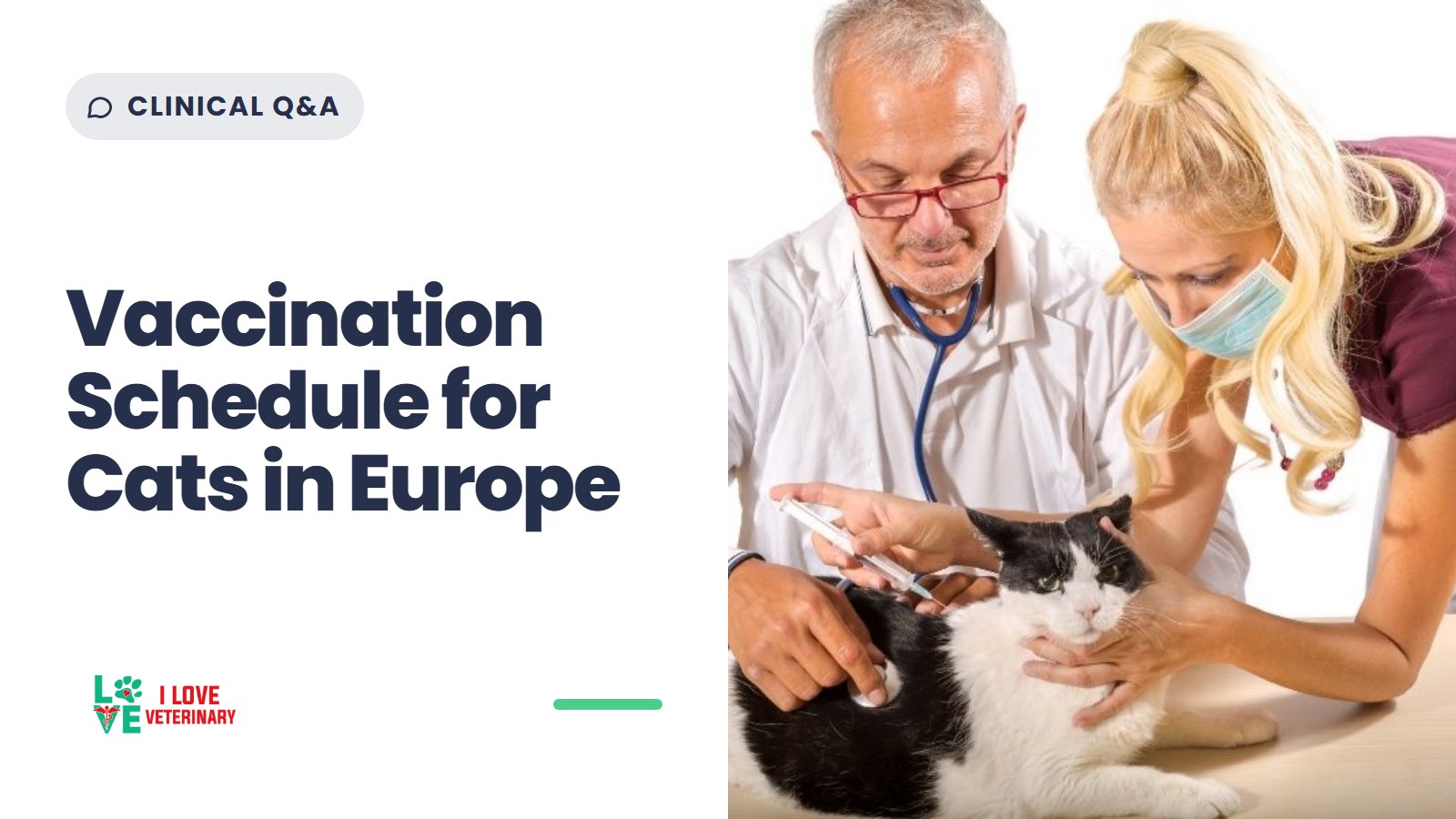
The vaccination schedule for cats is traditionally conducted by the veterinarian who first interacts with the cat. It’s important to know the exact age of the kitten so that the proper interval between individual shots can be determined, for the best possible immune response.


Each state in Europe has its own requirements when it comes to vaccinating cats and should of course be strictly adhered to.
Cat Vaccine Schedule
Considering the different economical statuses of all European countries, it’s impossible to define a single widespread vaccination schedule for cats. Vaccination protocols in developing countries are based on singular or two-dose core vaccinations without repeating, while developed countries tend to stick to more frequent immunization.
Just like dogs, cats are vaccinated with both core and non-core vaccines, different in priority. Core vaccines protect the cats against severe life-threatening diseases or if the potential disease can be transmitted to people. On the other hand, non-core immunization protects the animals against not-so-common diseases.
Core vaccines
Core vaccines for cats include those that protect the animal against FCV (Feline Calicivirus), FHV-1 (Feline Herpesvirus – 1), and FPV (Feline Panleukopenia Virus). Cats in Europe must be routinely vaccinated against Rabies in order to protect their health and the people around them. In many countries, this vaccination is a legal requirement and it’s mandatory for international travel of the pet.
Most kittens in the first few weeks of their lives are protected with MDA (Maternal Derived Antibody). Without proper serological testing, the length of the protection cannot be exactly determined, as some of the kittens have higher titers that last longer, and visa-versa. As a result, a series of primal core vaccines are recommended until the kitten turns a certain age.
Except for Rabies, FCV, FHV-1, and FPV immunization is achieved with the first shot being given at six to eight weeks of age. Every other shot of the core primal series is given to the kitten every two to four weeks until the cat turns 16 weeks of age.
Booster core vaccines are given at 12 months of age, but recent studies suggest that six months earlier is a better option for providing adult immunity. Re-vaccinations follow later on in life with a three-year interval.
Kittens get the first shot against Rabies at 12 weeks of age and the re-vaccination follows annually, in most countries.
Non-core vaccines
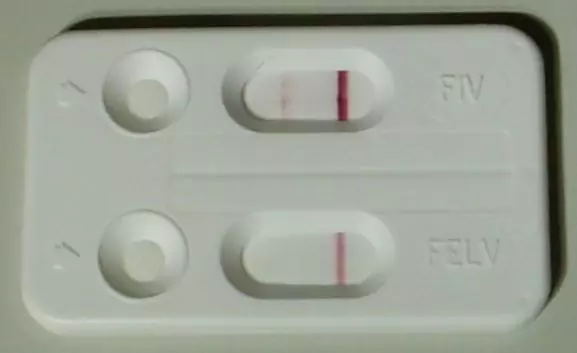
FeLV (Feline Leukemia Virus) vaccines are primarily administered as single shots at eight weeks of age. Between three to four weeks later the kitten should receive the second shot and a booster one year after. After that, every two to three years adult cats can be re-vaccinated.
The last of the vaccines administered for protection against viruses is the FIP (Feline Infectious Peritonitis) vaccine. The kitten should get the first shot at 16 weeks of age, followed by another shot three to four weeks later. Boosters are recommended annually after the last initial-series shot.
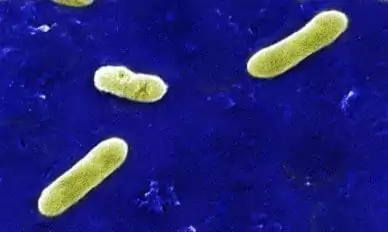
Two bacterial infections in cats can be prevented with active artificial immunization. For protection against Chlamydia felis, two initial parenteral doses are required at nine weeks of age and again two to four weeks later.
Administering nasally a single dose of avirulent live Bordetella bronchiseptica at 4 weeks of age with annual re-vaccination provides protection against this bacterium.
Endoparasite prophylaxis
Besides the regular vaccination protocols, treatment protocols against common internal parasites include taking delehmentization drugs every three months.
It is recommended that the initial treatment should start 10 days prior to the initial core vaccination.

If you are interested in learning more about vaccine schedules around the world, check the Vaccination schedule for Cats in USA article!
Studies show that less frequent vaccination is advantageous in feline medicine. There is a risk of vaccine reactions causing an injection site sarcoma. These are aggressive tumors that can be life-threatening. Therefore, it is important to discuss with your veterinarian which vaccines are necessary for your cat.
The Diseases Behind the Vaccines
Herpesvirus
Feline Herpesvirus-1 causes a condition known as feline viral rhinotracheitis. It is an upper respiratory disease that is easily spread between cats and through contact with contaminated objects. Signs of FHV-1 infection include inflammation of the conjunctiva and discharge from the eyes or nose. Sneezing, lethargy, and poor appetite are other signs that can be associated with infection. Cats with a herpes virus infection can also have infections of the cornea of the eye. This virus can go latent in the body and often recurs during times of stress or illness later in life.

Panleukopenia
Feline panleukopenia is a highly contagious and prevalent parvovirus that affects cats and kittens. Young kittens 3-5 months of age are most susceptible. The virus can survive long periods of time in the environment. It attacks rapidly dividing cells found in the bone marrow and the intestinal tract. Signs of the disease include respiratory illness, vomiting, diarrhea, lethargy, fever, and lack of appetite.
Calicivirus
Feline Calicivirus also causes upper respiratory infections in cats and kittens. Like FHV-1 infections, calicivirus infections often present with discharge from the eyes and nose, sneezing, lethargy, and lack of appetite. Cats with calicivirus infections also tend to have ulcers of the gums, tongue, or hard palate of the mouth. The virus is spread through direct contact with infected cats or contaminated objects. The vaccines for these three core diseases are often combined into a single injection, referred to as FVRCP.
Rabies
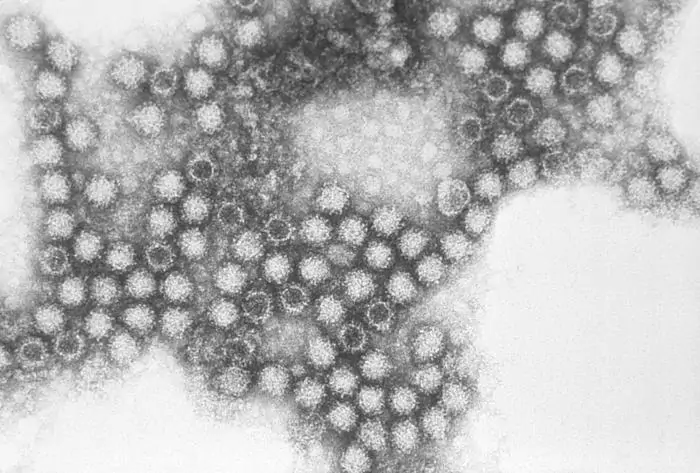
Rabies attacks the body through the nervous system. The virus can be carried by any mammal but is most often seen in carnivores. The disease is almost always fatal. Cats usually get it from the bite of a rabid animal, and humans are also at risk of contracting the disease through contact with a rabid animal.
Feline Leukemia Virus (FeLV)
This virus causes various diseases in the cat. It is a common cause of cancer in the cat and often causes immune system suppression, making the cat susceptible to a host of other diseases. The virus is spread through cat-to-cat contact, usually through bite wounds or mutual grooming. It can also be spread from mother to kitten.
Feline Immunodeficiency Virus (FIV)
This is a disease that attacks the immune system, leaving the cat vulnerable to everyday bacteria and disease. The virus is most commonly spread through bite wounds and is therefore seen more frequently in feral male cats. House cats are rarely exposed unless a housemate has the virus, and then usually only if there is aggression between the two. The vaccine is not entirely protective, so it is not usually recommended.
Bordetella bronchiseptica
This can cause severe lower respiratory tract disease in young kittens. It is uncommon in both cats and kittens and therefore is only recommended for kittens in high-risk environments such as high population kennels.