
Your dog is shaking his head, scratching at one ear, and there is a smell you can't ignore. It is natural to hope you can sort it out yourself. The short answer is that you can't, not for a real infection. What is safe to put in an ear depends on two things nobody can see from the outside: what is causing the infection, and whether the eardrum is still intact.
You are not helpless before the appointment, though. Below is what you can safely do today, which signs mean same-day care, and what happens at the vet.
We understand why owners hesitate. Vet visits cost money, and a dog with chronic ear problems may go back several times. Ear problems tend to return unless every cause is treated, so finding that cause with your vet is what cuts down repeat visits. Pet insurance or a small savings fund makes them less stressful.
Can You Treat a Dog Ear Infection at Home?
A true ear infection needs veterinary attention. The Merck Veterinary Manual says prompt veterinary care is needed when ear changes appear, and home treatment runs into three problems.
You can't tell the cause by looking. Bacteria, yeast, ear mites, a foreign body such as a grass awn, and allergies can all produce a red, itchy, smelly ear. A dark discharge often points to yeast or parasites, but bacterial and mixed infections can look the same. Each cause needs a different treatment.

You can't see the eardrum. The eardrum (tympanic membrane) separates the outer ear canal from the middle ear. It can tear, especially in long-standing infections, and discharge often hides it until the canal has been cleaned. This matters because many ear medicines and cleaners can be ototoxic, meaning they can damage hearing and balance, if they reach the middle ear through a damaged eardrum.
Inflamed ears are easily irritated. Merck notes that home remedies such as vinegar mixtures can worsen swelling and discharge, and that even products that are fine in a healthy ear can irritate an inflamed one. Vets advise against putting vinegar mixtures, hydrogen peroxide or rubbing alcohol into an infected ear.
Leftover prescription drops from a previous infection are not a shortcut either. Texas A&M veterinarians warn that using antibiotic products without guidance can contribute to bacterial resistance.

What You Can Safely Do Right Now
None of these steps treat the infection. They keep things from getting worse until your dog is examined.
- Book the appointment. Ear changes need prompt veterinary attention.
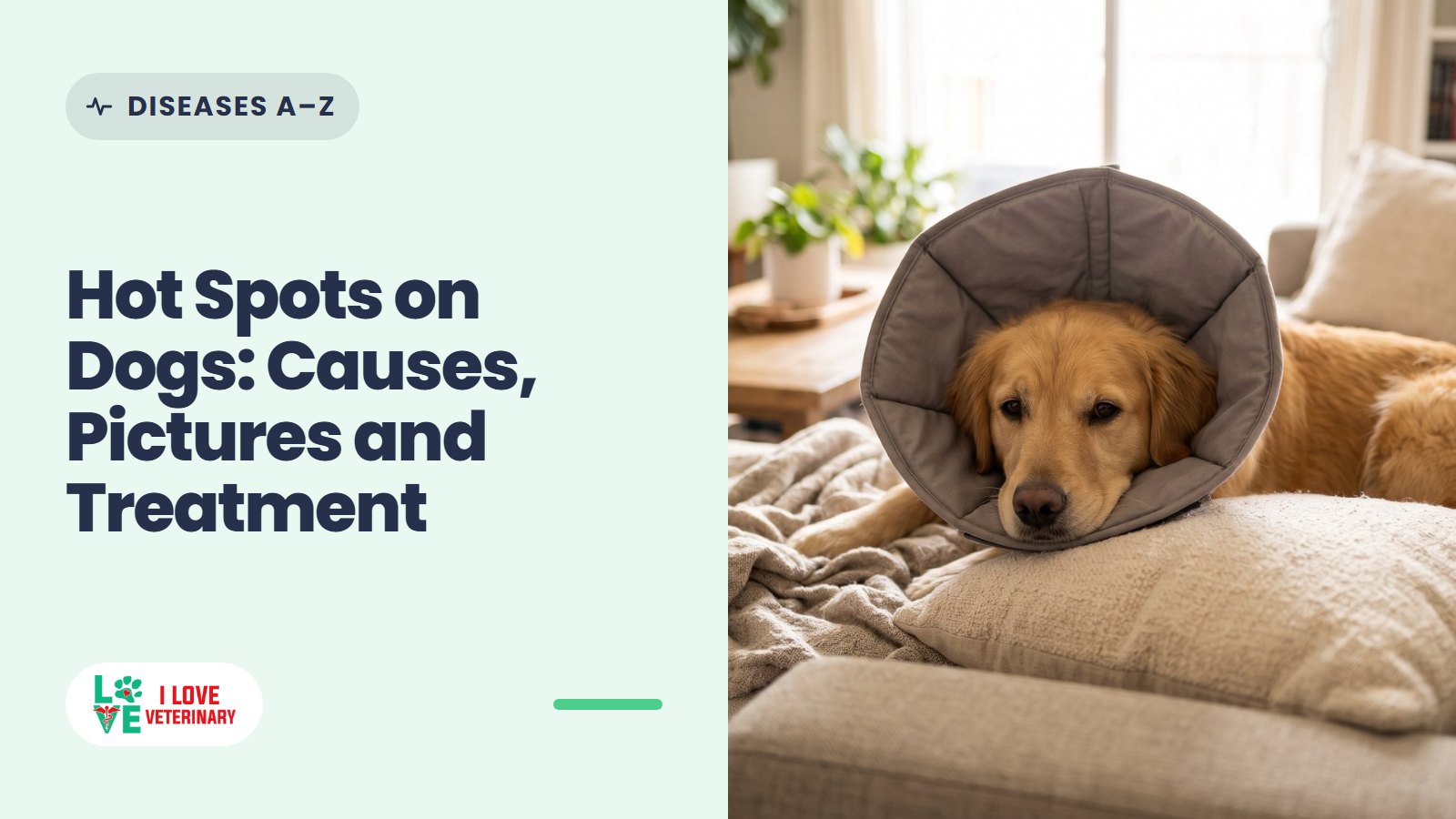
- Stop the scratching. Scratching and head shaking damage the ear and the skin around it. Cornell veterinarians note that an Elizabethan cone collar or an ear wrap may help prevent this self-trauma.
- Don't put anything in the ear. No home liquids, no oils, and no cotton swabs, which can push debris deeper and injure the canal.
- Keep the ear dry. Skip swimming and keep water out of the ear at bath time.
- Write down what you see. Which ear, the discharge, any smell, and when it started.
- Ask before using an old cleaner. If your vet has prescribed an ear cleaner for this dog before, call the clinic and ask whether to use it. Don't decide on your own, because the eardrum question still applies.
- Stop if it hurts. If your dog cries out or pulls away when you touch the ear, leave it alone and tell your vet.
When It's Urgent
Some signs suggest the infection has reached the middle or inner ear, or that your dog is in significant pain. Call your vet the same day if you notice:
- A head tilt to one side
- Stumbling, a "drunken" walk, circling or falling
- Drooping on one side of the face, or one eye looking different from the other
- Signs of hearing loss
- Crying out, or not letting you touch the ear or head
- Pain when opening the mouth
- Wounds on the face or neck from scratching
- A soft, puffy swelling of the ear flap, which may be an aural hematoma
A hematoma forms when head shaking breaks a blood vessel in the ear flap. Your vet decides how to treat it, and the ear problem behind the shaking still needs treating too.

Signs of an Ear Infection in Dogs
Signs can be obvious or subtle, in one ear or both:
- Head shaking
- Scratching or rubbing the affected ear
- Discharge from the ear
- A bad odor
- Redness inside the ear
- Swelling of the ear canal
- Pain when the ear is touched
- Itchiness
- Crusts or scabs in or around the ear
- An ear that feels warmer than usual
Outer, Middle and Inner Ear Infections
Vets name ear infections by where they sit:
- Otitis externa: inflammation of the external ear canal, up to the eardrum. This is the familiar "ear infection".
- Otitis media: infection of the middle ear, behind the eardrum.
- Otitis interna: infection of the inner ear, which holds the structures for hearing and balance.
In dogs, middle and inner ear infections usually start as a chronic outer ear infection that spreads through the eardrum. Important nerves run through this area, so a deep infection can cause facial paralysis, balance problems (vestibular signs) and hearing loss. In severe or long-standing cases, some damage can remain after the infection clears. A vet checks the eardrum with an otoscope, a lighted instrument for looking down the ear canal; our guide to using an otoscope covers the basics for practice staff.

What Causes Ear Infections in Dogs?
Vets think of ear disease in layers: a primary cause that starts the problem, and bacteria or yeast that take advantage of an irritated canal.
Primary causes include:
- Allergies, the most common driver. Food allergies and environmental allergies such as atopic dermatitis inflame the ear canal and make it easier for infection to take hold.
- Parasites, especially ear mites, which spread mainly through close contact with infested animals.
- Foreign bodies, such as foxtails and other grass awns.
- Hormonal disease, such as an underactive thyroid (hypothyroidism) or Cushing's disease (hyperadrenocorticism).
- Autoimmune disease, such as pemphigus foliaceus.
- Injury to the ear.
Secondary infections come from bacteria (for example Staphylococcus or Pseudomonas) and yeast (Malassezia). These are what owners usually think of as "the infection", but clearing them without fixing the primary cause often means it comes back.
Some dogs are simply more prone. Floppy ears, narrow ear canals and a lot of hair in the canal trap warmth and moisture. Swimming adds moisture, and lakes and rivers are a common trigger. Too much cleaning can irritate the canal as well.
What the Vet Does
- History and exam. Your vet asks about the signs and past ear problems, and may check the skin elsewhere for clues such as allergies.
- Otoscope exam. The vet looks down the canal for foreign bodies, swelling and the state of the eardrum. A very painful ear may need sedation for a proper look.
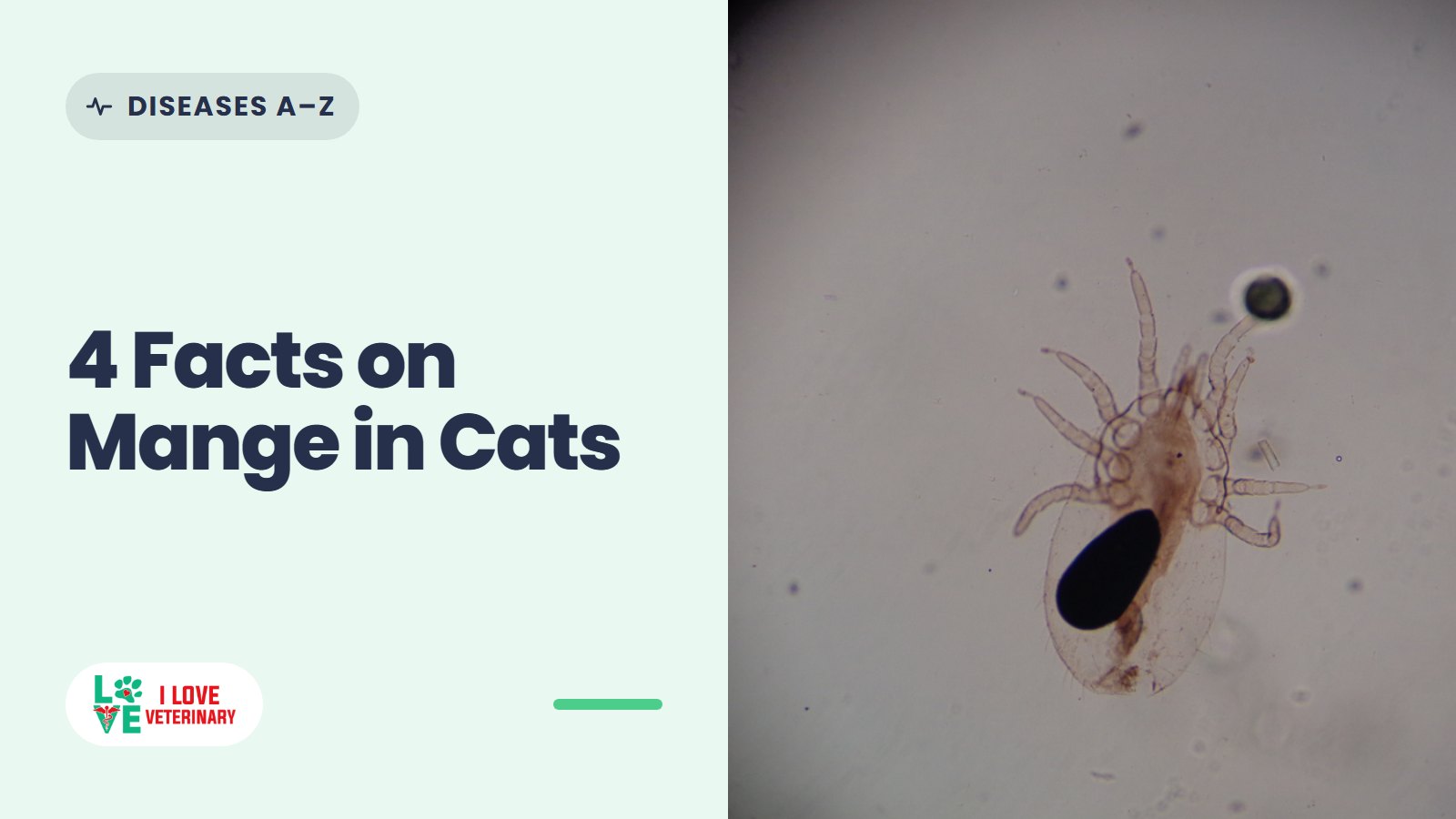
- Cytology. A swab of the discharge is checked under the microscope for bacteria, yeast or mites. This guides which medicine is safe and likely to work. For recurrent infections, or when certain bacteria show up, the vet may also send a sample for culture to find which antibiotics will work.
- Cleaning in the clinic. Ears full of debris often need a thorough cleaning, sometimes under anesthesia, so medication can reach the canal.
- Treatment chosen for your dog. Prescription ear drops often combine an antibiotic, an antifungal and an anti-inflammatory. Your veterinarian chooses the product based on the cytology and the eardrum. Severe cases and middle ear infections may also need oral medication.
- Rechecks. Follow-up visits confirm the infection is actually gone, not just quieter.

Recurring Ear Infections
When an ear keeps flaring up, the usual reason is that the underlying cause, most often allergy, hasn't been controlled. Sometimes an untreated middle ear infection keeps it going.
That may mean an allergy workup or a strict diet trial to confirm or rule out food allergy. Change your dog's diet only with your vet's guidance, so the trial gives a clear answer.
If your dog is not improving despite treatment, ask about a referral to a board-certified veterinary dermatologist. The American College of Veterinary Dermatology describes these specialists as the ear specialists of veterinary medicine, with tools for recurrent, severe or inner ear disease. When the ear canal is permanently damaged ("end-stage" ears), a specialist may discuss surgery, such as total ear canal ablation, to remove the diseased canal.
Keeping Your Dog's Ears Healthy
Healthy ears don't need routine cleaning. Cornell's guidance is to clean only when you see dirt or debris, because overcleaning can itself cause irritation. Check the ears regularly for redness, smell, discharge or warmth instead.
If your dog swims often or has recurrent ear problems, ask your vet whether a drying ear cleaner suits your dog and how to use it. Hair around the outside of the ear can be clipped by a groomer; hair inside the ear canal should only be removed by or with the guidance of your vet.
Summary
A real ear infection can't be treated safely at home, because nobody can see the cause or the eardrum without an otoscope and a microscope. Stop the scratching, keep the ear dry, put nothing in it and book the visit, calling the same day for a head tilt, facial droop or any of the other urgent signs.
Originally written by Helen Roberts. Updated by the I Love Veterinary editorial team.
Sources
- Merck Veterinary Manual: Ear Infections and Otitis Externa in Dogs
- Merck Veterinary Manual: Otitis Externa in Animals
- Merck Veterinary Manual: Otitis Media and Interna in Animals
- Merck Veterinary Manual: Disorders of the Outer Ear in Dogs
- Cornell Riney Canine Health Center: How to Clean Your Dog's Ears
- Cornell Riney Canine Health Center: Itchy Ear Problems
- Texas A&M Pet Talk: Ear Infections in Dogs
- Texas A&M Pet Talk: Hard to Hear: The Facts of Canine Ear Infections
- American College of Veterinary Dermatology: FAQs
- CAPC: Otodectic Mite
This article is for general information and is not a substitute for advice from your veterinarian.