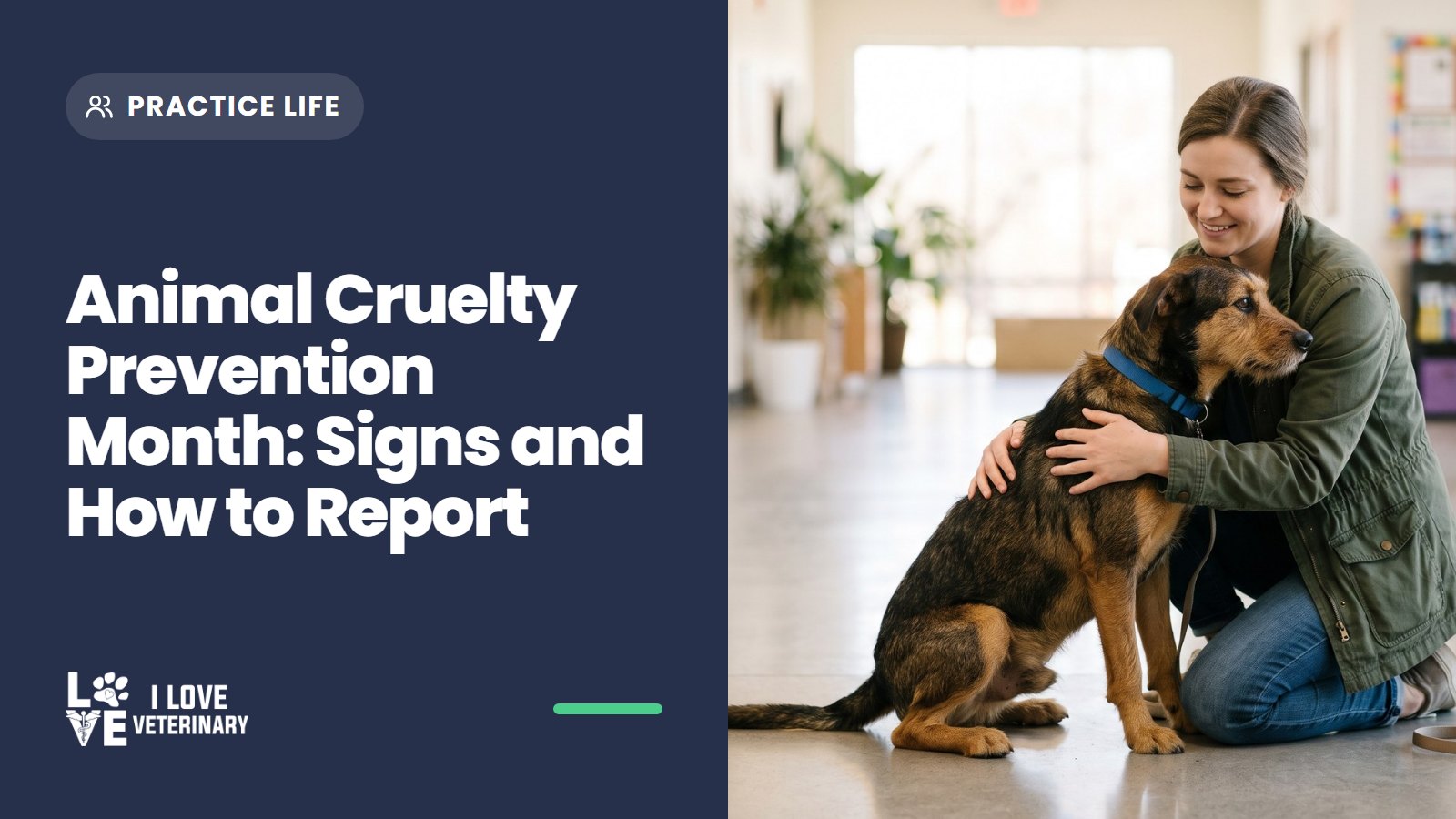
Every April, the ASPCA marks Prevention of Cruelty to Animals Month, often shortened to Animal Cruelty Prevention Month. The ASPCA was founded in New York City in 1866 as the first animal welfare organization in the United States, and it uses April to get more people paying attention to cruelty and neglect. The next one is April 2027.
Awareness only helps an animal when someone acts on it. This guide covers the practical part: what cruelty and neglect look like, who to call, what to write down before you call, and a few ways to help that don't need a big budget.
When is Animal Cruelty Prevention Month?
It's the whole month of April, every year. The ASPCA designated April as National Prevention of Cruelty to Animals Month, though its work against cruelty runs all year. The ASPCA also marks April 8 as National Dogfighting Awareness Day.
Year | Month runs | National Dogfighting Awareness Day |
|---|---|---|
2027 | Thursday, April 1 to Friday, April 30 | Thursday, April 8 |
2028 | Saturday, April 1 to Sunday, April 30 | Saturday, April 8 |
What counts as animal cruelty?
Whether something is legally "cruelty" depends on the laws where you live, and the authorities decide it after an investigation. In everyday terms, the ASPCA groups it into two kinds:
- Intentional harm: someone deliberately hurts an animal, for example by hitting it.
- Neglect: someone fails to give an animal what it needs, such as food, water, shelter or veterinary care.
Animal welfare groups sometimes call these active and passive cruelty. Neglect is the quieter of the two, and MSPCA-Angell calls it the most common type. Its staff attorney adds that neglect can be a longer, slower and more painful situation for the animal.
Signs of animal cruelty and neglect
None of these signs proves cruelty on its own. An old, thin dog may be under a vet's care, and a matted cat may have just been rescued. They are reasons to look more closely and, if the picture adds up, to report. These are the conditions the ASPCA lists as raising concern.

What you see on the animal
- Extreme thinness, with bones visible
- A collar so tight it has caused a wound or grown into the neck
- An illness or injury that isn't being treated, such as open wounds or a broken bone
- Fur crawling with fleas, ticks or other external parasites
- Severe matting, or nails so overgrown the animal struggles to walk
Where the animal lives
- Kept outside for long periods without enough food or water
- Kept outside in bad weather with no real shelter
- Confined to a space covered in feces, urine, garbage, broken glass or other hazards
- Kept in a kennel or cage too small to stand up, turn around and move normally
What people do
- Someone hitting or otherwise physically abusing an animal
How to report suspected animal cruelty
The ASPCA's advice boils down to this: don't confront anyone, and get the case to the people who can legally investigate it.
- If a crime is happening right now, call 911. In New York City, report suspected abuse that isn't an emergency to 311.
- Otherwise, call the agency that enforces animal laws where the animal is. Depending on the area, that is the local police, animal control, an SPCA or a local humane organization. Not sure which? Ask your local police or animal control, or use the National Link Coalition's reporting directory.
- Write down what you saw. A short, factual statement with dates and times is worth more than a long description of how it made you feel.
- Note other witnesses. Names and contact details of people who saw it firsthand and are willing to talk to officers.
- Take photos or video only from where you're allowed to be, such as the street or another public place. Never go onto private property to get them.
- Decide about anonymity. You can report anonymously, but cases are more likely to move forward when a credible witness is willing to stand behind the report and, if needed, testify.
- Keep a record of your report: who you spoke to, the date, copies of anything you handed over, and what they said would happen next. If you hear nothing for a reasonable time, a polite follow-up call is fine.

Cruelty you see online
If a post or website shows animal cruelty, screenshot it with the comments, the account name and the date. The ASPCA suggests reporting it to your local police (or the police where it happened, if you can tell), and says you can also file a complaint with the FBI's Internet Crime Complaint Center (IC3).
Common forms of animal cruelty
Neglect
Neglect covers most of the signs above: no food or water, no shelter from heat or cold, a collar left on so long it grows into the skin, parasites left untreated, and no vet visit when the animal is clearly sick or hurt. In Massachusetts, MSPCA-Angell's staff attorney explains, the law requires the owner of a suffering animal to get it relief, whether that means veterinary care or, when it is the only option, humane euthanasia.
Dogfighting
Dogs used for fighting are typically raised in isolation on short, heavy chains, and they are often given steroids to build muscle. Dogfighting is often tied to other crimes, including gambling, illegal guns, drugs and gang activity. The ASPCA uses National Dogfighting Awareness Day on April 8 to push people to learn the signs and report them.
Puppy mills
Puppy mills breed dogs for profit first. Mothers are bred litter after litter with little recovery time or care, and their puppies can carry health problems that are passed down through generations. MSPCA-Angell's advocacy director gives buyers a short checklist:
- Meet the mother (and ideally both parents) and see where the puppies live. Is it clean?
- Ask what the breeder screens for genetically.
- Ask for references from people who bought a puppy before.
Responsible breeders, she adds, won't sell to pet stores. Adopting from a shelter or rescue is another way to make sure your money doesn't go to a mill.

Animal hoarding
Hoarding is when a person keeps more animals than they can care for, to the point where they can't provide even basic food, sanitation, shelter or veterinary care. The ASPCA treats it as a mental health, animal welfare and public safety problem all at once, and many people who hoard believe they are rescuing their animals.
Having a lot of pets is not hoarding. Warning signs include not knowing how many animals there are, a home that is falling apart, a strong smell, thin or lethargic animals, fleas and vermin, and a person who seems isolated. Hoarding can be prosecuted under state cruelty laws, so a suspected case can be reported like any other.
Farm animals in extreme confinement
Industrial ("factory") farming keeps large numbers of animals in tight spaces to keep costs down. Some states have set minimum space rules. Massachusetts voters passed Question 3 in 2016, which requires that egg-laying hens, veal calves and breeding pigs have room to stand up, turn around and extend their limbs.

Animals used for entertainment
Traveling acts with wild animals mean long stretches of confinement and transport, and training that has relied on restraints, bullhooks and whips. Animals on the road in a traveling circus may not have quick access to expert veterinary care. State and local laws have slowly started to restrict these acts.

Why it matters: the link to human violence
Animal cruelty is rarely only about the animal. The National Link Coalition, which works on what it calls "the Link", explains that animal abuse and family violence often show up in the same homes. Abusers may hurt or threaten a pet to control or silence a partner, a child or an older relative. That is why an animal cruelty report can be the first sign that people in the same house need help too.
Police data now reflects that. Since January 2016, the FBI's National Incident-Based Reporting System has counted animal cruelty as its own crime category (gross neglect, torture, organized abuse and sexual abuse) instead of filing it under "All Other Offenses". The National Sheriffs' Association pushed for the change, pointing to the overlap with domestic violence and child abuse. The AVMA makes the same point in its policy on abuse: prompt disclosure protects "the health and welfare of animals and people."
What veterinary teams can do
Vets and vet techs see animals up close, so they may be the first to notice abuse or neglect. The AVMA's policy on animal abuse and neglect asks veterinarians to:
- Learn to recognize the signs of abuse and neglect
- Keep accurate, timely records of suspected cases
- Know the relevant laws and which local authorities to report to
- Educate clients
Reporting rules for veterinarians differ by state. In Massachusetts, for example, veterinarians are mandated reporters. The AVMA supports state laws that give veterinarians immunity when they report in good faith and that exempt the related records from confidentiality rules. If you work in a clinic, find out your state's rules and your practice's protocol before you need them. These cases are hard on the people who handle them, too. If they start to wear you down, our guide to burnout and compassion fatigue may help.
Ways to take part in April
- Save your local animal control number in your phone now, so you aren't searching for it while something is happening.
- Share the signs. Friends and family who know what to look for are more likely to report what they see.
- Adopt, foster or volunteer at a local shelter or rescue.
- Support local humane organizations with time, supplies or donations. Some of them investigate cruelty cases or care for animals rescued from them.
- Join a local animal advocacy group if your area has one, and follow animal welfare bills in your state.
Sources
- ASPCA: Recognizing and Reporting Animal Abuse and Neglect
- ASPCA: History of the ASPCA
- ASPCA: April Is Prevention of Cruelty to Animals Month
- ASPCA: Dogfighting Is Still Happening, Here's How the ASPCA Is Fighting Back
- ASPCA: Animal Hoarding
- MSPCA-Angell: April Is Animal Cruelty Prevention Month
- AVMA: Animal abuse and animal neglect (policy)
- FBI: Tracking Animal Cruelty
- National Link Coalition: How Are Animal Abuse and Family Violence Linked?
- U.S. Department of Justice: Animal Cruelty Prevention Month (archived)