A small-animal clinic runs on two layers of equipment. The first is a handful of hand tools that come out in exam after exam. The second is the room-level equipment that makes anesthesia, dentistry, lab work and imaging safe enough to offer at all.
This list covers both. It starts with six hand tools, then moves to the room-level categories that professional guidance singles out: anesthesia monitoring and gas scavenging, dental radiography, sterilization, an in-house lab, and radiation safety. Instead of brands and prices, each item comes with what it does for the patient or the team, and the sources are listed at the end, so a vet tech student or a practice manager can use the page as a checklist.
The six core hand tools
Each of these has a counterpart on the equipment list the AVMA uses to accredit veterinary technician programs (more on that list below), which is a good sign of how basic they are to day-to-day practice.

Stethoscope
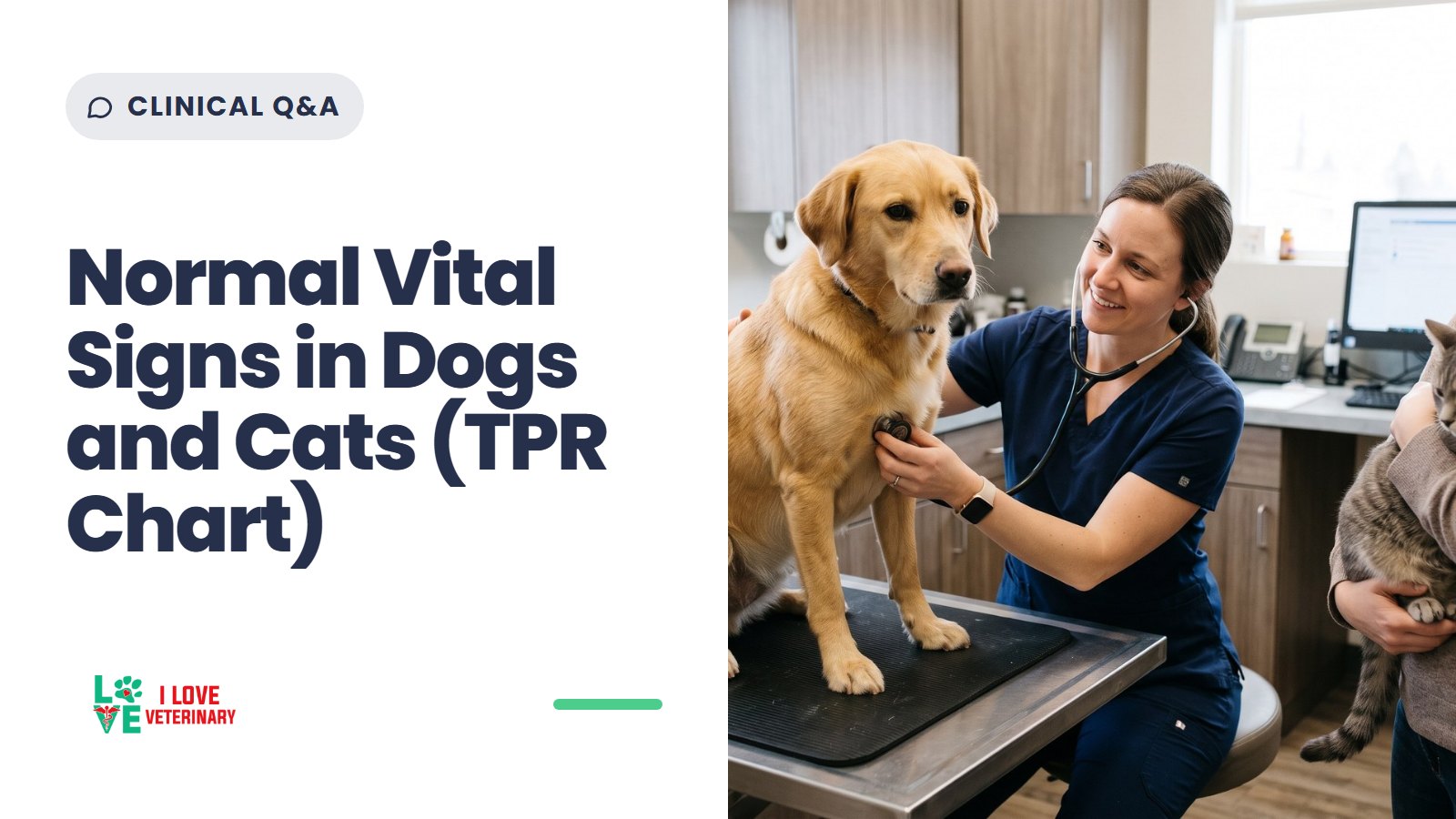
The stethoscope is how the heart and lungs get assessed during a physical exam. Most chest pieces have two sides. The diaphragm picks up higher-pitched sounds, while the bell (or, on tunable models, the diaphragm held with light pressure) picks up lower-pitched sounds such as gallop rhythms. A good stethoscope helps, but the ear behind it does most of the work.
Otoscope
An otoscope lets the veterinary team look down the ear canal and check the eardrum. The Merck Veterinary Manual recommends otoscopic evaluation, where possible, for every patient with a skin problem, and notes that a handheld otoscope is typically enough for that exam. Video otoscopes add magnification. If you're new to the instrument, our guide to using an otoscope walks through the technique.
Foreign bodies are one of the primary causes of ear inflammation (otitis externa) that Merck lists, and grass awns such as foxtails are a familiar example in dogs. Finding and removing one is a job for the veterinary team, and Merck notes that a painful ear may need sedation before it can be examined properly. Owners should never probe a dog's ear to fish something out.
Clippers
Clippers prepare the skin before surgery and other procedures. For surgical sites, the hair is clipped with the blade the clinic's protocol specifies.
If your protocol calls for a No. 40 blade, it is worth knowing that it isn't automatically the gentlest option. In a 2019 study of 67 dogs, clipping with a No. 40 blade caused significantly more skin redness (erythema) at 24 hours than a No. 10 blade, with no difference in bacterial colony counts, and the authors favored the No. 10. That is one study at epidural sites, so treat it as a reason to look at your protocol, not as a new rule.
Clipper noise can also unsettle fearful patients, which is worth keeping in mind when choosing and maintaining a clipper.
Microscope
The microscope does a lot of in-house diagnostic work: cytology, fecal exams and urinalysis among them. It is most useful paired with a centrifuge, because how a sample is prepared affects what you can see (more on that in the lab section below). It earns its place for teaching, too.
Surgical instrument set
A basic surgical instrument set is a given for any clinic that does surgery. Large all-in-one kits exist, but they tend to include pieces a clinic will never use, and surgeons usually have preferred instruments and sizes. Building packs around the procedures you actually do, then adding to them as the caseload grows, wastes less money and shelf space.
Dental extraction instruments
AAHA's 2019 Dental Care Guidelines put it plainly: a "one size fits all" approach to dental surgical equipment is inadequate. Extraction work calls for several sizes of luxators, elevators and periosteal elevators, plus scalers and curettes. The guidelines also say dental instruments are cleaned and autoclaved between uses and stored sterile, and single-use items are thrown away.
Beyond hand tools: room-level equipment
For a baseline that isn't a vendor's shopping list, the AVMA CVTEA Appendix F is useful. It lists the equipment that accredited vet tech programs must own or have available for teaching, and it marks which items are required. It is a teaching standard, not a legal requirement for clinics. Still, it is a reasonable picture of the equipment a general practice team is expected to know how to use, and the items below are drawn from its required list unless noted.
Anesthesia and monitoring
AAHA's 2020 Anesthesia and Monitoring Guidelines sum it up in four words: "Anesthesia is equipment intensive." The core pieces are:
- An anesthesia machine with a waste gas scavenging system. Scavenging captures exhaled anesthetic gas so the team doesn't breathe it. AAHA notes that active scavenging is far more effective than passive charcoal canisters, that OSHA has advisory guidance on waste anesthetic gas, and that some states regulate it. AAHA also advises leak testing the machine and breathing circuit before each patient and after changing circuit parts.
- Airway equipment. Endotracheal tubes in a range of sizes, stylets, a laryngoscope, and a face mask for giving oxygen before induction.
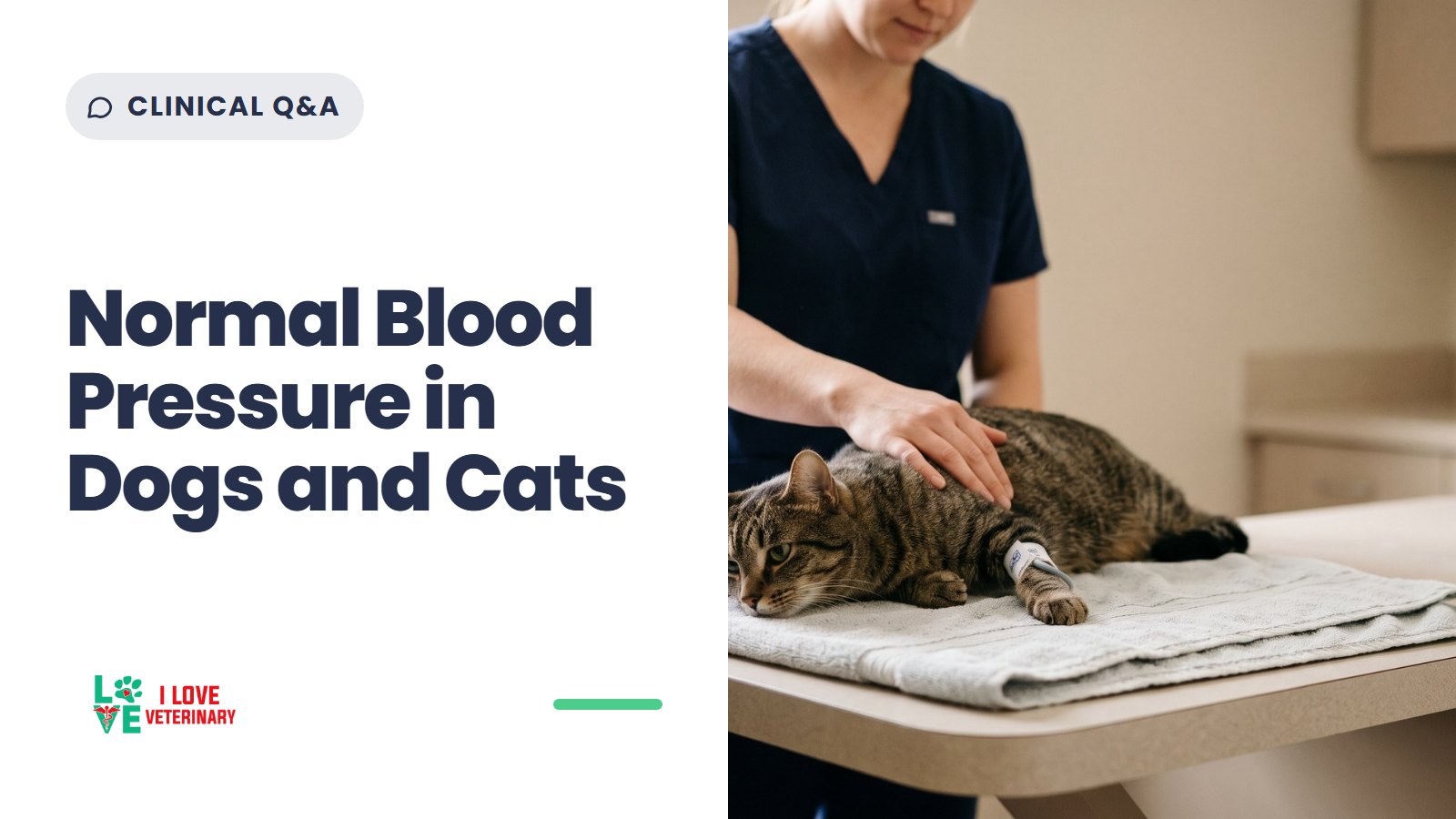
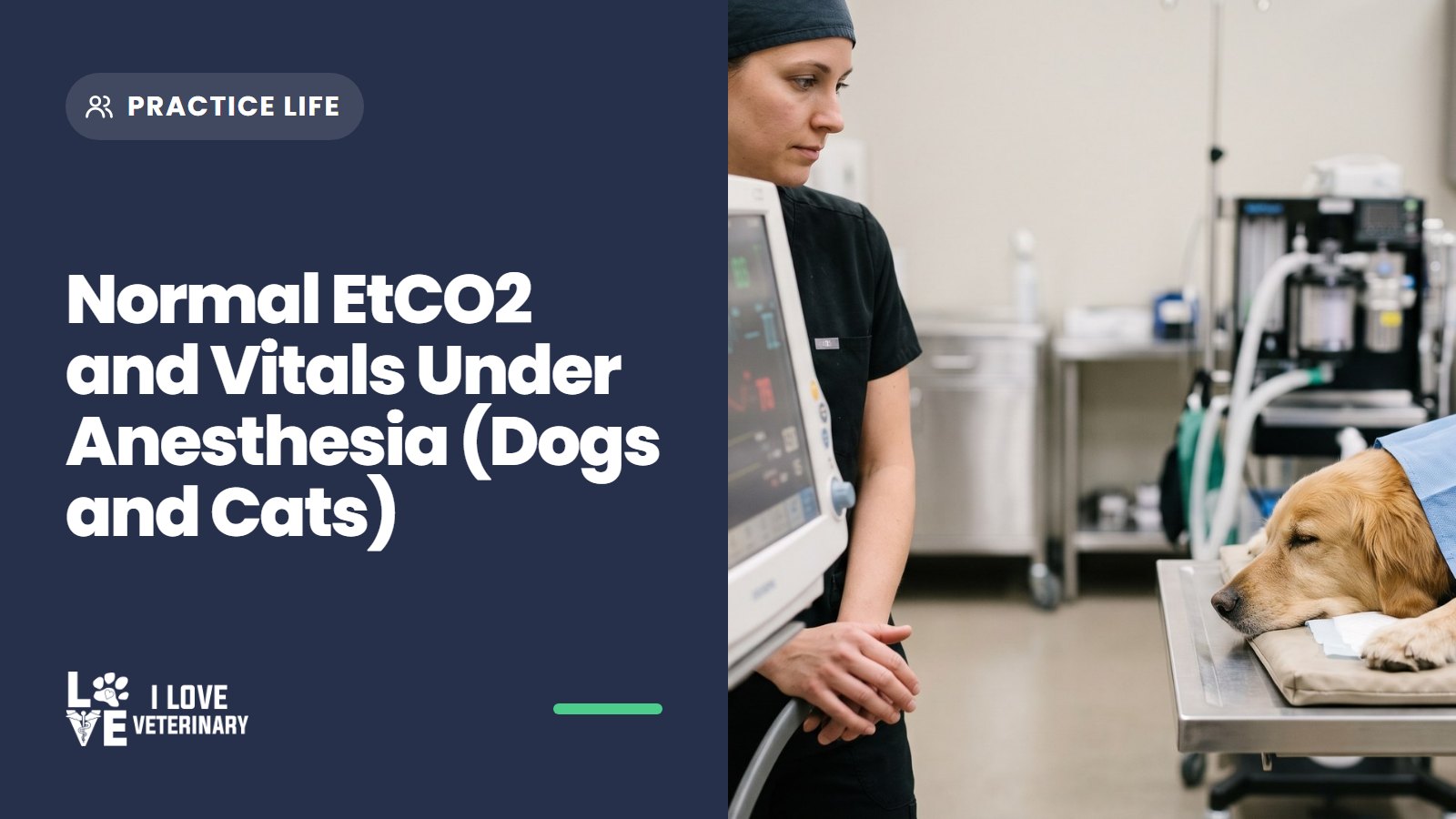
- Monitoring equipment. AAHA's monitored parameters include respiratory rate, SpO2 (blood oxygen saturation from a pulse oximeter), ETCO2 (the carbon dioxide level at the end of each exhaled breath, measured by capnography), blood pressure, heart rate and rhythm on an ECG, and body temperature. A multiparameter monitor covers most of these, alongside hands-on checks of mucous membranes and capillary refill.
- Patient warming and a fluid pump. AAHA recommends warming devices through recovery, not just during the procedure.
Per AAHA, most anesthetic complications are first picked up on the monitor, and regular equipment maintenance is a first line of defense. A monitor nobody looks at, or a machine that fails its leak test, doesn't protect anyone.

Dental radiography and the dental unit
The CVTEA dental baseline is an ultrasonic scaler and polisher with the right hand instruments, plus a dental digital radiography unit.
That radiography unit matters more than it might seem. According to AAHA, a complete oral assessment needs an exam under anesthesia with intraoral radiography, meaning X-rays taken with the sensor or film inside the mouth. The guidelines cite studies in which clinically important findings showed up on radiographs in 28% of teeth that looked normal in dogs and 42% in cats. AAHA's task force strongly recommends full-mouth intraoral radiographs for all dental patients and, at minimum, radiographs before and after extractions. Without them, problems below the gumline can go unseen, even in teeth that look fine.


Sterilization and instrument care
An autoclave sits on the required list, and everything above depends on it: surgical packs, dental instruments and anything else that touches sterile tissue. Some clinics also use an ultrasonic instrument cleaner, which loosens debris in a liquid bath before instruments are packed and autoclaved.
In-house lab
The CVTEA lab list includes microscopes, a centrifuge, a microhematocrit centrifuge (for packed cell volume), a clinical chemistry analyzer, an electronic blood cell counter, and a refractometer.
The centrifuge earns its place on fecal exams alone. The Companion Animal Parasite Council notes that simple flotation is the most common fecal exam in hospitals but is not as sensitive or accurate as centrifugal flotation. Same microscope, different answer, depending on the prep.

Imaging and radiation safety
On the imaging side, the CVTEA list requires a fixed digital radiography machine, a portable radiography unit and the dental unit mentioned above. It also requires the safety gear that goes with them: protective aprons, gloves and thyroid collars, plus dosimeter badges that record each person's radiation exposure. Ultrasound and an endoscope are listed as recommended rather than required. For what a radiograph visit looks like from the owner's side, see what to expect with dog X-rays.
Exam and treatment basics
Less glamorous, but also on the required list:
- Exam tables, surgical tables and surgical lights
- Scales
- An ophthalmoscope and a digital tonometer (for measuring eye pressure)
- A temperature monitoring device
- Suction
- A warming device and a fluid pump (shared with the anesthesia setup)
A defibrillator and a ventilator are listed as recommended.
Infection control and staff safety
Equipment also protects the people using it. For infection control and personal protective equipment, the standard reference for veterinary personnel has been the NASPHV Compendium of Veterinary Standard Precautions, published in JAVMA in 2015; check for the latest edition before writing protocols.
Practices that want an outside benchmark can look at AAHA accreditation. It is voluntary, AAHA says around 15% of practices achieve it, and its standards cover areas such as anesthesia, diagnostics, surgery and pain management.
Where to start
Equipment choices follow the caseload. A clinic doing routine dentistry needs dental radiography before it needs ultrasound, and a clinic doing surgery needs reliable monitoring and scavenging before almost anything else. The six hand tools are the floor. The room-level list is what makes anesthesia, dentistry and in-house diagnostics safe to offer.
If you're a student building your knowledge alongside your kit, our list of the best veterinary books and study material is a good next stop.
Sources
- AVMA: CVTEA Accreditation Policies and Procedures, Appendix F
- AAHA: 2020 AAHA Anesthesia and Monitoring Guidelines for Dogs and Cats
- AAHA: 2019 Dental Care Guidelines, Materials, Instruments, and Equipment
- AAHA: 2019 Dental Care Guidelines, Unconscious Oral Evaluation
- Merck Veterinary Manual: Otitis Externa in Animals
- Messiaen Y et al., Am J Vet Res 2019 (PMID 31449448): clipper blade size and skin erythema in dogs
- CAPC: Avoiding Common Pitfalls in Microscopic Fecal Examinations
- Williams CJ et al., JAVMA 2015 (PMID 26594810): NASPHV Compendium of Veterinary Standard Precautions
- AAHA: About Accreditation
This article is for general information and is not a substitute for advice from your veterinarian.